

We Are Now Talking To Animals — What Will They Tell Us?
This Is No Dr Doolittle, This Is Huge

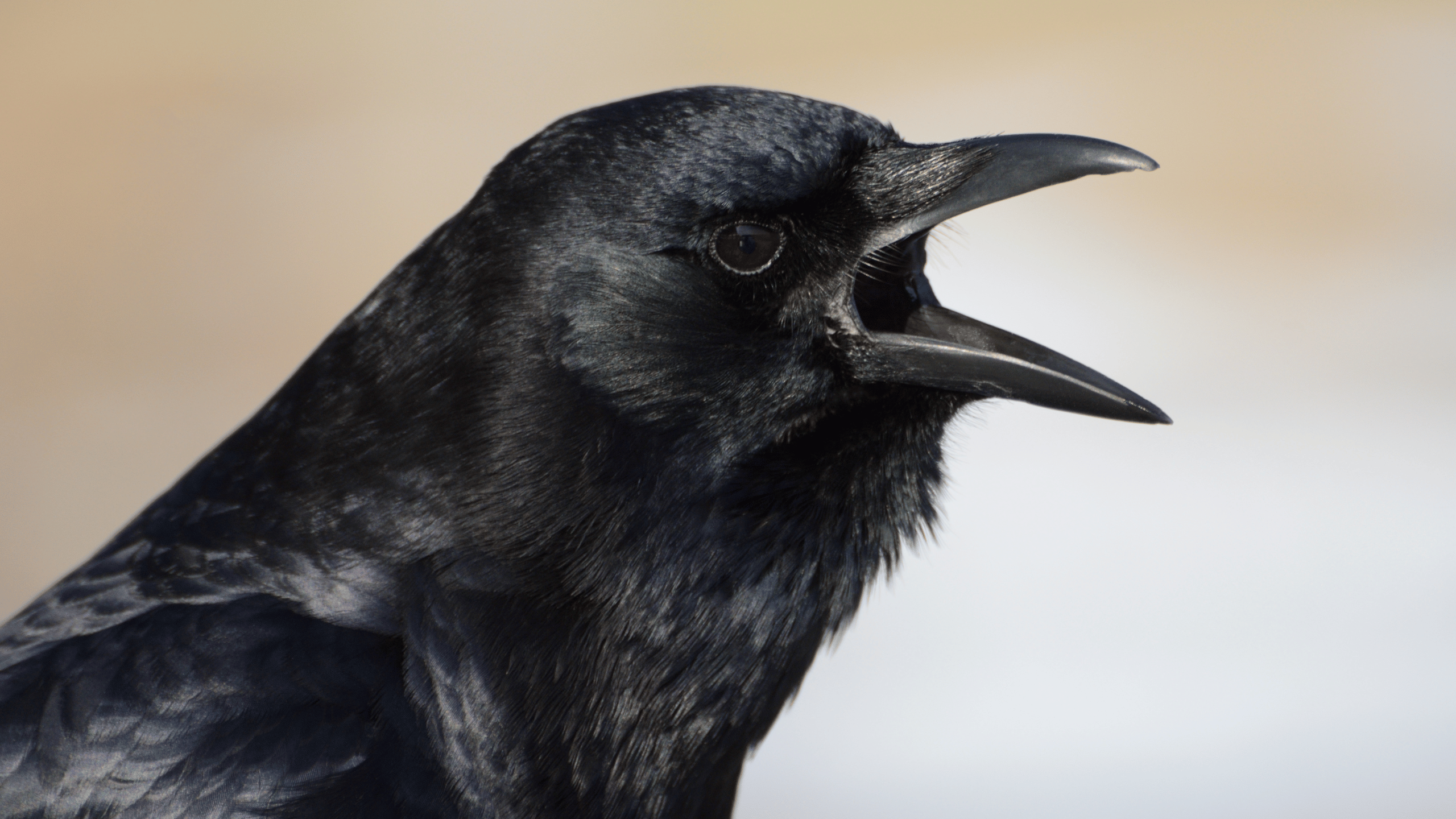
There are more than 8 million species on Earth. We are just one of them. We can only understand the language of our own species, yet we consider ourselves superior.
Soon the animals could be telling us a few home truths.
The Earth Species Project (ESP) is an incredibly exciting mission to utilise the powers of a new ‘lifeform,’ which is rapidly becoming smarter than humans: Artificial Intelligence - AI.
ESP are building large AI models to decode animal communication - and early results suggest we can already ask meaningful questions of creatures, and get useful answers back.
Just imagine what we could learn from other species. What wondrous insights they could share, on such blurry phenomena like migration. What utterly sickening tales they could tell about the way they are treated by humans.
How Can This Happen?
ESP has already discovered that AI can learn the structure and meaning embedded in non-human sound - calls, songs, clicks, choruses and the like. This is now helping scientists map those signals to learn behaviour and context.
ESP’s flagship model, NatureLM-audio, is the first large audio-language model tailored for animal sounds. ESP plans to release it this year as part of its open-science commitment.
Also used are AVES and BirdAVES - self-supervised encoders for animal vocalisations. ESP has also developed the first benchmarks for applying AI to animal communication research.
ESP ‘s models are being tested first with Killer Whales (Orcas), Zebra Finches, Hawaiian and Carrion Crows.
Learn more about the crows project in this interesting short video…
Beyond those species, ESP will work through datasets spanning birds, cetaceans, elephants, bats, amphibians, dogs and cats.
Keep reading with a 7-day free trial
Subscribe to Ethical Disruption to keep reading this post and get 7 days of free access to the full post archives.