


The historic pledge at COP28 to “transition away from fossil fuels” proved to be as worthless as climate campaigners feared it would.
The latest Production Gap analysis has found that 11 of the top 20 fossil fuel-producing countries plan to INCREASE output relative to 2023 levels - the year the COP28 UN Climate Change Conference was held in Dubai.
The world’s biggest fossil fools are gearing up to pump more coal, oil and gas by 2030 than a 1.5°C pathway allows.
We’ll miss the magical 1.5 figure - and that brings with it serious consequences.
1.5 wasn’t plucked randomly out of thin polluted air - it is scientifically proven to be the trigger point for a number of catastrophes:
Irreversible coral reef collapse - mass coral bleaching will become a near-annual tragedy in many regions, gutting marine ecosystems and coastal protection.
Ice sheets in West Antarctica and Greenland will become unstable.
Amazon dieback will likely occur, pushing large parts of the Amazon from rainforest to savanna-like vegetation. This will release vast amounts of stored carbon, reducing rainfall and weakening the forest’s ability to regenerate.
Arctic permafrost will thaw to the point where it exposes previously frozen organic matter. This will decompose and emit both CO2 and methane, accelerating global warming.
Reaching this level of heat will also cause:
Heavier rain deluges and floods, as warmer air holds more moisture.
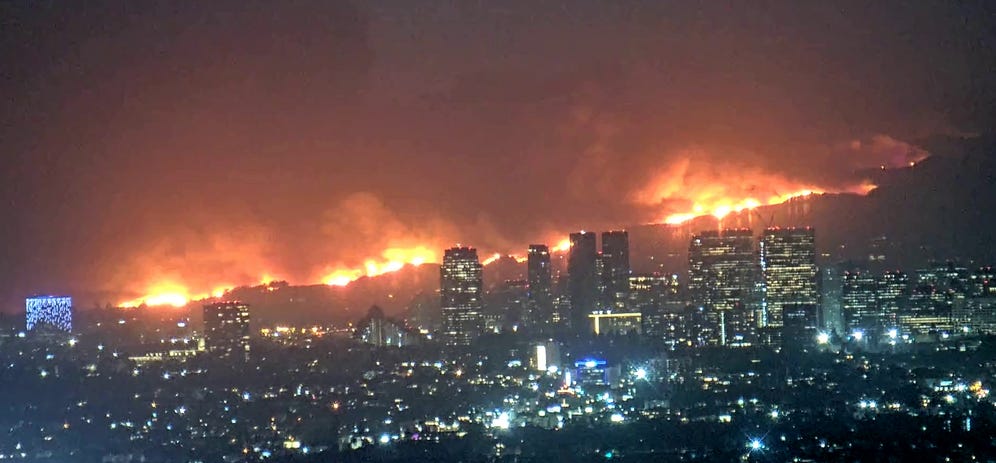
Deeper droughts and wildfires, longer dry seasons and chronic water shortage for literally billions of people and wildlife.
Food insecurity, as there will be more frequent crop failures from heat, drought, floods, and pests.
Ocean acidification and loss of oxygen through warming waters, reducing biodiversity.
More diseases and chronic health problems, from heat stress, malnutrition and mental-health impacts.
Human displacement and risk of more conflicts, as rapid climate changes increase poverty, migration, and tensions over crucial resources like water.
To think that the world’s most powerful people are still trying to convince the vast uneducated swathes of population that this is not happening, is truly criminal.
We can’t turn this around. Too many oil and gas licences and infrastructures are locked in.
So Will COP30 Be A Wake-Up Call and Turning Point?
It’s not likely. Being held in Belém, Brazil from November 10-21, COP 30 will almost certainly produce outcomes that sound very similar to those of COP28 - non-binding ones.
Quite apart from the desire to squeeze as many billions of dollars out of the ground as possible, there’s way too much associated disruption going on in the world. To put it mildly.
Since Russia’s 2022 invasion of Ukraine, Europe slashed its dependence on Russian pipeline gas, but welcomed new fossil infrastructure in its place. Which can’t be unwound quickly.
Add the pressures of domestic politics across the world, and a single, globally binding wind-down of fossil fuels - crucially signed by the US, China, India, Russia and Saudi Arabia - remains unlikely for the forseeable future.
COP30 will undoubtedly succeed again in setting direction - but it doesn’t take governments long to veer off course.